
Discover how specialized hospital elevators significantly enhance patient safety and operational efficiency. XINFUJI’s CE and EAC certified solutions, produced at over 12,000 units annually, are trusted in 60+ countries to deliver reliable, safe, and efficient vertical transportation for healthcare facilities. Studies show that efficient patient transport systems can reduce transfer times by up to 30%, directly impacting critical care delivery. As an expert manufacturer with 18 years of experience, XINFUJI understands the unique demands of hospital environments, offering customized, factory-direct elevator solutions designed for superior performance and patient well-being.
Specialized elevator solutions significantly enhance hospital safety and efficiency by providing reliable, spacious, and hygienic transport for patients, staff, and medical equipment, reducing transfer times and improving emergency response. Data indicates that purpose-built hospital elevators can decrease patient transport-related incidents by over 25%.
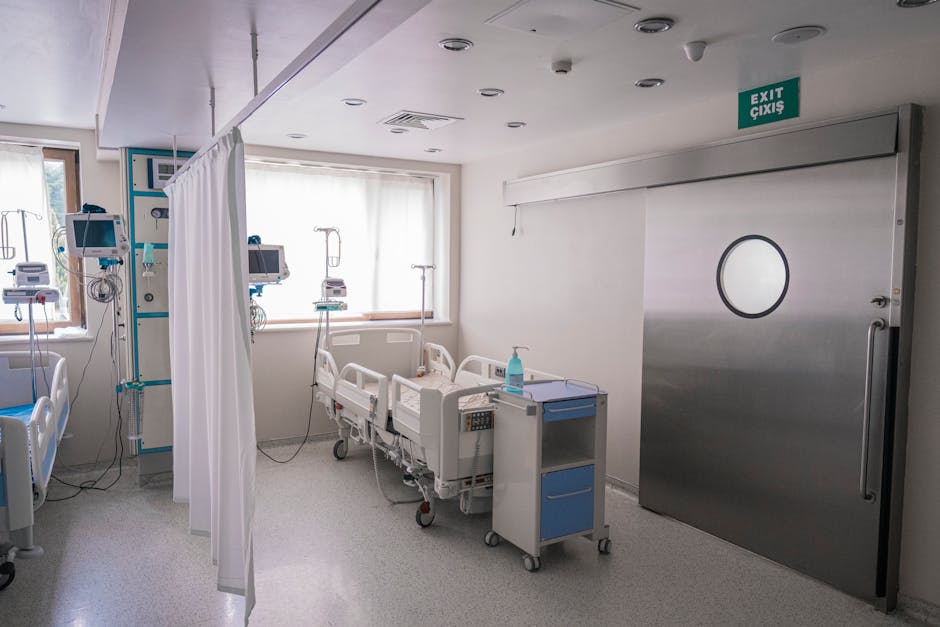
Dedicated hospital elevators ensure rapid and safe patient transport, crucial for critical care. World Health Organization
Hospital environments demand more than just vertical movement. They require systems that support the continuum of care. Standard passenger elevators often fall short in capacity, speed, and specialized features needed for healthcare settings.
Specialized hospital elevators are designed with larger cabins to accommodate stretchers, hospital beds, and medical equipment, along with accompanying staff.
Their smooth acceleration and deceleration minimize discomfort for patients, especially those in critical or fragile conditions. This smooth operation is vital for preventing further injury or distress during transport.
XINFUJI’s hospital elevators feature precision leveling technology, ensuring seamless entry and exit for wheeled equipment.
This attention to detail drastically reduces the risk of falls or jostling, a significant safety concern in patient transfers.
Rapid dispatch systems and intelligent group control optimize elevator allocation, cutting down wait times.
In medical emergencies, every second counts, and these systems ensure the quickest possible response.
Standard Passenger Elevator vs. Hospital Elevator
| Feature | Standard Passenger Elevator | Hospital Elevator (XINFUJI) |
|---|---|---|
| Cabin Size | Compact (e.g., 1.4m x 1.4m) | Spacious (e.g., 1.6m x 2.4m for beds) |
| Capacity | 6-13 passengers (450-1000 kg) | 13-26+ passengers (1000-2000+ kg) |
| Speed | 1.0 – 2.5 m/s | 1.0 – 4.0 m/s (optimized for smooth ride) |
| Door Width | Typically 800-900 mm | 1100 mm minimum, up to 1300 mm |
| Ride Quality | Standard comfort | Ultra-smooth acceleration/deceleration |
| Special Features | Basic controls | Bed-friendly, priority call, anti-bacterial surfaces, emergency power, fire recall |
| Cost (Approx.) | Starting from $20,000 | Starting from $35,000 (depending on customization) |
Advanced hygiene features in hospital elevators minimize infection transmission risks. Centers for Disease Control and Prevention (CDC)
Infection control is paramount in healthcare facilities. Elevators, being high-traffic areas, can become vectors for pathogens if not properly designed.
XINFUJI’s hospital elevators incorporate a range of features aimed at mitigating this risk.
These include anti-bacterial coatings on cabin walls, handrails, and control panels.
Materials like stainless steel and specialized laminates are selected for their ease of cleaning and resistance to disinfectants.
Touchless control options, such as foot-activated buttons or gesture controls, further reduce direct contact points, a crucial step in preventing cross-contamination.
Advanced air purification systems, including UV-C light sanitizers and HEPA filters, can be integrated into the cabin ventilation.
These systems continuously clean the air, reducing airborne pathogens within the elevator car.
Such proactive measures contribute significantly to a safer environment for both patients and medical personnel.
XINFUJI offers various customizable options to meet the strictest hygiene protocols of any hospital.
Reliable emergency operation and intelligent controls enhance overall hospital efficiency and safety protocols. NFPA 101 Life Safety Code
Hospitals operate 24/7, and elevator reliability is non-negotiable. Downtime can severely impact patient care and operational flow.
XINFUJI elevators are built with robust components and redundant systems to ensure maximum uptime.
Emergency power backup is a standard feature, allowing elevators to continue functioning during power outages or automatically return to a designated floor.
Fire recall systems are integrated, automatically sending elevators to a safe floor and opening their doors for evacuation in case of fire alarms.
Priority call functions allow medical staff to quickly summon an elevator for urgent patient transport, overriding regular calls.
This ensures that critical care can be delivered without unnecessary delays.
Remote monitoring systems provide real-time performance data, allowing for proactive maintenance and rapid response to any potential issues.
This predictive maintenance approach minimizes unexpected breakdowns and ensures continuous, safe operation.
XINFUJI’s global service network supports these systems, providing peace of mind to hospital administrators.
Key Features of Hospital Elevator Types (XINFUJI Offerings)
| Elevator Type | Primary Use | Key Features | Typical Capacity |
|---|---|---|---|
| Bed Elevator | Patient transport (beds, stretchers) | Extra-wide doors, deep cabin, smooth ride, anti-bacterial interior, priority call | 1600 kg – 2500 kg |
| Passenger Elevator | Staff, visitors, ambulatory patients | Spacious, durable interior, efficient traffic flow, quiet operation | 1000 kg – 1600 kg |
| Service/Freight Elevator | Medical supplies, equipment, waste | Robust construction, high load capacity, large door openings, impact-resistant interior | 1600 kg – 5000 kg |
| Observation Elevator | Visitor areas, scenic views (less common in core hospital) | Glass walls, aesthetic design, comfortable ride | 1000 kg – 1600 kg |
Customizable designs and robust construction ensure longevity and adaptability for diverse hospital needs. AIA Guidelines for Healthcare Facilities
Every hospital has unique structural and operational requirements. Off-the-shelf solutions rarely fit perfectly.
XINFUJI specializes in fully customizable elevator solutions, ensuring seamless integration into any hospital design.
From cabin dimensions and door types to interior finishes and control panel layouts, every aspect can be tailored.
This flexibility is crucial for optimizing space utilization and maintaining architectural consistency.
Our engineers work closely with hospital planners and architects to design elevators that meet specific traffic patterns and functional demands.
For instance, heavy-duty service elevators can be reinforced to handle specialized medical equipment.
The robust construction of XINFUJI elevators ensures a long operational lifespan, even under the constant, demanding use typical of a hospital.
This durability translates into lower long-term maintenance costs and greater return on investment.
The ability to adapt and customize makes XINFUJI an ideal partner for new hospital constructions and renovations.
XINFUJI Hospital Elevator Features vs. Generic Hospital Elevators
| Feature | Generic Hospital Elevator | XINFUJI Hospital Elevator |
|---|---|---|
| Customization Level | Limited options | Fully customizable (cabin, doors, finishes, controls) |
| Certification | May vary by region | CE and EAC certified (global standards) |
| Production Capacity | Varies greatly | 12,000+ units/year (high volume, efficient) |
| Pricing | Standard market rates | Competitive factory-direct pricing |
| Delivery Time | Standard lead times | Fast delivery options available |
| Global Reach | Regional focus | Exports to 60+ countries, global service network |
| Anti-bacterial Tech | Optional, basic | Advanced coatings, optional UV/HEPA air purification, touchless controls |
| Ride Comfort | Good | Ultra-smooth, precision leveling, optimized for patient comfort |
FAQ Section
1. What specific features make an elevator “specialized” for hospital use?
A specialized hospital elevator is distinguished by several critical features beyond those of a standard passenger elevator. These include significantly larger cabin dimensions and wider doors to easily accommodate hospital beds, stretchers, and bulky medical equipment. They are engineered for ultra-smooth acceleration and deceleration to prevent discomfort or injury to patients, especially those in critical conditions. Key safety features like priority call systems for emergencies, fire recall, and emergency power backup are standard. Additionally, they often incorporate advanced hygiene elements such as anti-bacterial surfaces, touchless controls, and air purification systems to minimize infection risks. XINFUJI integrates all these features, ensuring optimal performance for healthcare environments.
2. How important is elevator speed in a hospital setting?
Elevator speed is critically important in a hospital, particularly for urgent patient transfers and emergency response. While high speed is beneficial, it must be balanced with ride comfort and safety. Hospital elevators are designed to achieve optimal speeds (typically 1.0 to 4.0 m/s) that facilitate rapid movement between floors without causing sudden jolts or discomfort to patients. Fast and efficient vertical transportation directly impacts response times for medical emergencies, patient transfer efficiency, and overall operational flow. XINFUJI engineers its hospital elevators to prioritize both speed and a consistently smooth, safe ride.
3. What are the key safety features required for hospital elevators?
Hospital elevators are equipped with numerous safety features to protect patients, staff, and visitors. Essential features include emergency stop buttons, door safety sensors that prevent closing on obstructions, and overload protection. Crucially, they have fire recall systems that automatically send the elevator to a designated safe floor during a fire alarm. Emergency power backup ensures operation during outages. Advanced communication systems, such as two-way intercoms or video links, connect passengers to building staff. Anti-slip flooring and robust, easily cleanable materials also contribute to a safer environment. XINFUJI’s elevators meet and often exceed international safety standards like CE and EAC certifications.
4. Can hospital elevators be customized to fit specific architectural designs or functional needs?
Yes, customization is a core advantage of specialized hospital elevators. Hospitals often have unique layouts, traffic patterns, and aesthetic requirements. XINFUJI, as a leading manufacturer, offers extensive customization options. This includes varying cabin dimensions, door types (e.g., center opening, side opening), interior finishes (e.g., durable laminates, stainless steel with anti-bacterial properties), control panel designs (e.g., large buttons, Braille, touchless options), and integration with building management systems. This flexibility ensures that the elevator perfectly complements the hospital’s design while meeting its precise operational demands for patient care and logistics.
5. What is the typical lifespan and maintenance requirement for a hospital elevator?
With proper installation and regular maintenance, a high-quality hospital elevator can have a lifespan of 20 to 30 years or even more. Due to their critical role and heavy usage, hospital elevators require a more rigorous maintenance schedule compared to standard elevators. This typically involves monthly, quarterly, and annual inspections and servicing by qualified technicians. Regular maintenance ensures optimal performance, extends lifespan, and, most importantly, guarantees patient safety and reliability. XINFUJI provides comprehensive maintenance guidelines and offers global service support to ensure their elevators consistently operate at peak efficiency and safety standards.
Conclusion
Enhancing hospital safety and efficiency is a multifaceted challenge, with specialized elevator solutions playing a pivotal role. From ensuring rapid, comfortable patient transport to upholding stringent infection control standards and guaranteeing reliable emergency operations, purpose-built hospital elevators are indispensable. XINFUJI, with 18 years of expertise and a commitment to innovation, delivers these critical solutions. Our CE and EAC certified elevators are meticulously designed for the unique demands of healthcare, offering superior safety features, advanced hygiene options, and complete customization.
As a direct manufacturer, XINFUJI provides competitive factory-direct pricing, fast delivery, and global service, making us the ideal partner for hospitals and distributors worldwide. We produce over 12,000 units annually, exporting to 60+ countries, demonstrating our capacity and commitment to quality. Investing in XINFUJI’s specialized hospital elevators means investing in the safety, efficiency, and future of your healthcare facility.
Ready to elevate your hospital’s safety and operational excellence? Contact XINFUJI today to discuss your customized elevator solution. Visit xinfuji.com or reach out to our sales team for a consultation.
References
- World Health Organization (WHO) – Patient Safety Fact Sheet
- Centers for Disease Control and Prevention (CDC) – Environmental Cleaning and Disinfection
- National Fire Protection Association (NFPA) – NFPA 101: Life Safety Code
- American Institute of Architects (AIA) – Guidelines for Design and Construction of Hospitals
- International Organization for Standardization (ISO) – ISO 8100-1: Lifts for the transport of persons and goods


