
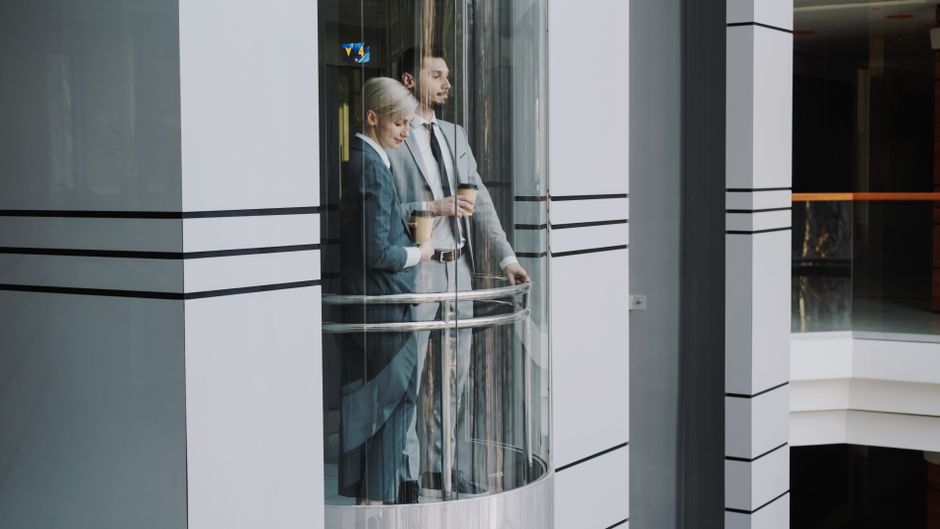
Deciding on an elevator type can be complex, with performance, cost, and safety hanging in the balance. In today’s market, traction elevators account for over 90% of new medium and high-rise installations globally due to their superior efficiency and reliability. As an elevator manufacturer with 18 years of experience producing over 12,000 units annually, XINFUJI has seen this technological shift firsthand. This guide provides a clear, data-driven comparison to help you make the most informed decision for your residential or commercial project, highlighting why modern traction systems are the industry standard.
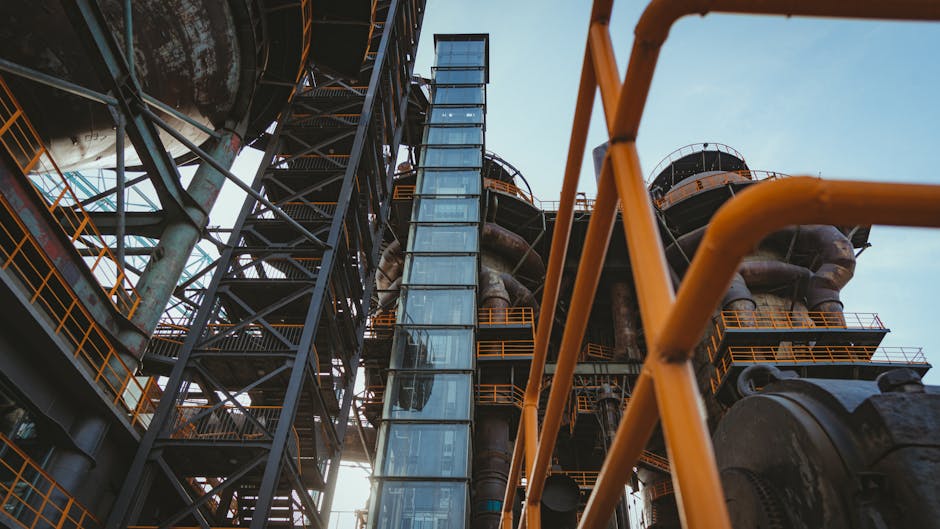
Quick Answer: Which Elevator is a Better Investment?
For the vast majority of modern applications, including home, passenger, and freight, traction elevators offer the best overall investment. They provide superior energy efficiency, faster speeds, a smoother ride, and a lower total cost of ownership compared to older hydraulic systems. In fact, hydraulic elevators are now considered outdated technology and are being phased out in major markets like China due to their inefficiency and environmental concerns.
What Are the Main Types of Elevators?
The two primary elevator systems used in modern buildings are traction and hydraulic, with traction being the dominant technology. While other niche types exist, understanding the core differences between these two is crucial for any buyer, developer, or distributor.
Each system uses a different method to lift and lower the elevator car, which directly impacts its performance, installation requirements, and long-term operating costs.
Traction Elevators
Traction elevators use steel ropes or belts, a motor, and a counterweight to move the car. The motor turns a sheave (a pulley with grooves) that grips the ropes. The counterweight balances the weight of the car and a portion of its expected passengers, significantly reducing the energy needed to move it.
- Gearless Traction: The modern standard. The motor directly turns the sheave, offering high speeds, supreme energy efficiency, and a very smooth ride. These are ideal for all building heights. XINFUJI specializes in advanced gearless traction systems.
- Geared Traction: Uses a gearbox to connect the motor and sheave. These are slower and less efficient than gearless systems, typically used in mid-rise buildings with moderate speeds.
Hydraulic Elevators
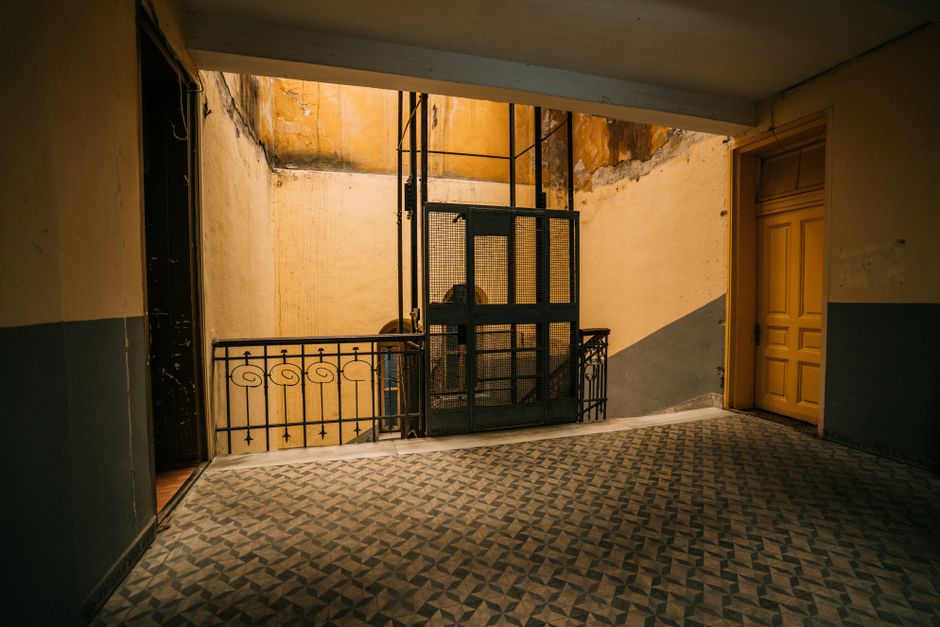
Hydraulic elevators use a piston inside a cylinder to lift the car. A pump pushes hydraulic fluid (oil) into the cylinder, which pushes the piston up, lifting the car. To descend, a valve releases the fluid back into a reservoir. These systems are limited to low-rise buildings, typically under 6 stories.
Machine-Room-Less (MRL) Elevators
MRL is not a separate type but rather a configuration of a traction elevator. A Machine-Room-Less elevator integrates the compact gearless motor directly into the hoistway, eliminating the need for a separate machine room on top of the building. This saves valuable space, reduces construction costs, and simplifies installation. Most modern passenger and home elevators from manufacturers like XINFUJI are MRL designs.
Why Are Traction Elevators the Preferred Choice?
Traction elevators are preferred because they are significantly more energy-efficient, faster, safer, and environmentally friendly than hydraulic systems. The use of a counterweight means the motor only needs to overcome friction and the weight difference between the car and counterweight, consuming up to 70-80% less energy than a hydraulic pump that must lift the entire load.
This efficiency translates directly to lower operational costs for building owners. Furthermore, traction systems do not use hydraulic oil, eliminating the risk of ground contamination from oil leaks—a major environmental and financial liability.
With smoother acceleration and deceleration, and the ability to reach much higher speeds, traction elevators provide a superior passenger experience suitable for everything from a luxury home to a high-rise commercial tower. The expert engineers at XINFUJI consistently recommend gearless traction MRL systems for their reliability and long-term value.
Are Hydraulic Elevators Still a Viable Option?
No, for most new installations, hydraulic elevators are not a viable or recommended option. Their use is now limited to very niche, low-rise, low-usage applications where initial cost is the only consideration. Even in these cases, their high energy consumption, slow speed, and significant maintenance costs quickly erode any initial savings.
The drawbacks of hydraulic systems are substantial:
- High Energy Use: The pump must work against gravity to lift the full weight of the car and its load on every trip, consuming vast amounts of electricity.
- Environmental Risk: They require large amounts of hydraulic oil, which can leak and contaminate soil and groundwater, leading to expensive cleanup and potential legal issues.
- Performance Issues: The oil’s viscosity changes with temperature, leading to inconsistent ride quality and leveling accuracy.
- Slow Speeds: They are typically limited to speeds below 1 m/s (200 fpm).
Due to these factors, progressive markets have moved away from hydraulic technology. In China, strict energy efficiency standards and a focus on sustainable development have made traction elevators the only practical choice for new buildings.
Elevator Types: Head-to-Head Comparison
A direct comparison reveals traction elevators outperform hydraulic systems in nearly every critical metric for building owners and users. The data clearly shows that while a hydraulic elevator might have a slightly lower initial purchase price in some cases, its lifetime cost is significantly higher.
The table below breaks down the key performance differences. As a manufacturer exporting to over 60 countries, XINFUJI builds its elevators to meet these superior traction performance standards.
Table 1: Traction vs. Hydraulic – Key Specifications
| Feature | Gearless Traction Elevator | Hydraulic Elevator |
|---|---|---|
| Energy Consumption | Low (uses counterweight) | Very High (pump lifts full load) |
| Max Travel Height | Unlimited | Limited (Typically under 18m / 60ft) |
| Speed | High (1.0 m/s to 10.0+ m/s) | Low (Typically 0.5 m/s to 1.0 m/s) |
| Ride Quality | Very Smooth & Quiet | Can be jerky; noise from pump |
| Environmental Impact | Minimal | High (risk of oil leaks, high energy use) |
| Machine Room | Not required with MRL design | Required for pump and control unit |
| Lifespan | 25+ years | 15-20 years |
What Is the Cost Difference Between Traction and Hydraulic Elevators?
While a hydraulic elevator may sometimes have a lower initial purchase price, its total cost of ownership over 10 years is significantly higher than a traction elevator due to massive energy and maintenance expenses. Smart buyers focus on the long-term value, where traction systems are the clear financial winner.
Factory-direct pricing from manufacturers like XINFUJI can make high-quality traction elevators even more cost-competitive from day one. By eliminating middlemen, we pass savings directly to our B2B clients and distributors.
Table 2: Estimated Cost Comparison (10-Year Ownership)
Note: Costs are illustrative estimates for a 3-stop commercial elevator and can vary by location and project specifications.
| Cost Factor | Gearless Traction MRL Elevator | Hydraulic Elevator |
|---|---|---|
| Initial Purchase Price | $25,000 – $40,000 | $22,000 – $35,000 |
| Installation Cost | $15,000 – $25,000 | $20,000 – $30,000 (can be higher if drilling is required) |
| Annual Energy Cost | $400 – $700 | $2,000 – $3,500 |
| Annual Maintenance | $1,500 – $2,500 | $2,000 – $3,000 (includes oil testing/replacement) |
| 10-Year Total Cost (Est.) | $59,000 – $92,000 | $82,000 – $130,000 |
How XINFUJI Elevators Compare
XINFUJI focuses exclusively on superior traction elevator technology to deliver value, performance, and reliability to our global partners. We have engineered our product lines to serve specific market needs, from customizable home elevators to heavy-duty freight solutions, all built on the same principles of efficiency and quality.
Our commitment to CE and EAC standards ensures our products are ready for international markets, offering a competitive advantage to our distributors.
Table 3: XINFUJI Elevator Product Line Overview
| Elevator Type | Technology Used | Key Features | Ideal Application |
|---|---|---|---|
| Home Elevator | Gearless Traction MRL | Compact design, fully customizable interiors, low noise, no pit/low pit options. | Luxury villas, private residences, multi-story homes. |
| Passenger Elevator | Gearless Traction MRL | High speed, energy-efficient, advanced group control systems, sleek design. | Hotels, office buildings, shopping malls, residential apartments. |
| Hospital Elevator | Gearless Traction MRL | Wide doors, smooth start/stop, large car size for beds, durable materials. | Hospitals, clinics, nursing homes. |
| Freight Elevator | Geared/Gearless Traction | High load capacity (up to 5000kg), robust construction, large doors. | Factories, warehouses, logistics centers. |
Frequently Asked Questions (FAQ)
1. What is the difference between geared and gearless traction elevators?
The primary difference is the presence of a gearbox. Geared traction elevators use a gearbox to connect the motor to the drive sheave, which limits their speed and efficiency. Gearless traction elevators have the sheave connected directly to the motor, allowing for higher speeds, greater efficiency, and a much smoother ride. Gearless is the modern standard for almost all new elevators, and it’s the core technology used in XINFUJI products.
2. How much space is needed for a home elevator?
The space required has been dramatically reduced with modern MRL technology. A typical XINFUJI home elevator might require a hoistway footprint of around 1500mm x 1500mm. Because our MRL systems house the motor within the hoistway, no separate machine room is needed. We also offer solutions with minimal pit depth (as low as 300mm) and reduced overhead clearance, making them easy to retrofit into existing homes. We offer fully customizable dimensions to fit your specific project.
3. What are the safety features of modern traction elevators?
Modern traction elevators are exceptionally safe and are equipped with multiple redundant safety systems. Key features include an overspeed governor that activates safety brakes if the car moves too fast, electromagnetic brakes on the motor, door sensors to prevent closing on an object, an emergency alarm, and a battery backup for emergency lighting and communication. All XINFUJI elevators are manufactured in compliance with strict international safety standards, including CE and EAC certifications.
4. Why has China phased out hydraulic elevators for most uses?
China has largely moved away from hydraulic elevators due to strong government mandates for energy efficiency and environmental protection. Hydraulic systems are major energy consumers and pose a risk of oil contamination. The country’s rapid development and construction of taller buildings also necessitated the speed and height capabilities that only traction elevators can provide. This market evolution has pushed manufacturers like XINFUJI to innovate and perfect high-performance, eco-friendly traction technology.
5. How does XINFUJI ensure quality and fast delivery?
With 18 years of manufacturing experience, XINFUJI has refined its production processes for maximum quality and efficiency. Our state-of-the-art factory in Suzhou produces over 12,000 units per year, allowing for economies of scale and rigorous quality control at every stage. Our experienced logistics team manages shipping to over 60 countries, ensuring streamlined customs clearance and fast, reliable delivery times for our global distributors and partners.
Conclusion: Choose the Future with XINFUJI Traction Elevators
The evidence is clear: for any new elevator project, the smart, efficient, and cost-effective choice is a gearless traction MRL system. They outperform outdated hydraulic technology on every important metric, from energy savings and passenger experience to environmental responsibility and long-term value.
As a world-class manufacturer, XINFUJI is dedicated to providing the most advanced, reliable, and customizable traction elevators on the market. Our factory-direct model ensures you get competitive pricing without compromising on quality or service.
Don’t settle for inefficient technology. Partner with an expert. Contact the XINFUJI team today to discuss your project requirements and receive a personalized quote for a superior elevator solution.
References
- Council on Tall Buildings and Urban Habitat (CTBUH). “Vertical Transportation Systems.” Accessed via ctbuh.org.
- Elevator World Magazine. “Energy Consumption of Traction and Hydraulic Elevators.” Various technical articles. Accessed via elevatorworld.com.
- CIBSE Guide D: Transportation systems in buildings. Chartered Institution of Building Services Engineers. London.


